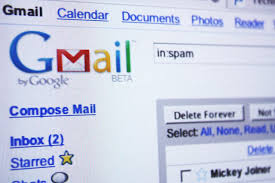
More and more businesses today are manipulating emails as part of their marketing tools and strategies in disseminating business information on products and services. Most consumers have at least one email account to receive updates from all types of sources. Businesses today are engaging emails to promote their business offerings in a professional manner that would boost sales and profits.
However, the number of business emails is on the rise with many unprofessionally constructed content and format that can offend and frustrate readers. It is not surprising that many business emails are labeled as spam mails and trashed before they are opened by the recipient.
Categorizing Spam Mail
Many of today’s marketing emails are mistaken or classified as spam mail by readers and systems. The improper presentation or construction of promotional emails leads to this dilemma which impacts many business marketers. The right steps must be taken to rectify this situation to ensure a proper delivery of a business mail so that the company does not lose out to competitors on potential leads and sales.
Spam mails are considered as emails with promotional contents sent to anyone with a valid email address. These mails are to flood the inboxes of consumers as often as possible, hoping to make a hit at the right consumers who would respond to their offers. This is a rampant marketing approach by callous marketers as sending such mail is easy and cheap. With the latest technologies and sophisticated mailing features, hundreds of these spam mails can be sent automatically every day to the same and different groups of consumers. This spam activity is very annoying to consumers who have no interest in the product offering or to busy consumers who need to take time to delete off such mails.
Spam mails are normally sent to one and all contacts on the potential leads list of the business. There is no vetting of email recipients to determine if the recipients would be inclined towards such mail. This can frustrate consumers who keep receiving spam mails on business promotions which they have no interest in.
Spam mails are usually loud and flashy with enticing headlines. They may come in a variety of colors and fonts that are more distracting than engaging. Such presentation reflects poorly on the brand and sender which turns off a lot of potential leads. Unprofessionalism is written all across such emails to draw in any sales.
Spam emails offer low quality content. A simple promotional product may be described in great length beating around the bush to fill up space. Consumers find this very annoying when they have to search out the actual contents and purpose of the email.
Too many useless and irrelevant words are used to represent content in a spam mail. Out of context words in an email confuse readers when they are busy with other commitments. This could be due to the low quality of spam creators in generating email contents without proper proof reading. Their poor understanding of professional emails leads them to cram a lot of words in their promotional emails with obvious spelling and grammar mistakes.
Spam emails usually coerce the reader into making a payment to receive some item which was earlier offered for free. A lot of fine print is included in spam emails which may not be identified by email recipients if the email is not well presented. Customers may be caught with a purchase in spam mails through empty promises of freebies and rewards by a simple click on a link attached in the email.
Flashy titles with enticing tag lines such as “Be a millionaire today” and “Click here for fast cash” are common features of spam emails. Spam materials normally use capital letters which are usually bold and fanciful in different fonts. Such flashy formatting can be quite unnerving to email recipients to have the email trashed and blocked.
The Better Approach
It is very legitimate to send promotional business emails to anyone with a valid email address, but certain courtesies and professionalism should be exercised to avoid a labeling of spam mail on the emails. A proper presentation through a structured professional construction of the email would give a positive impression of the brand and company to the recipient.
Professional email marketers exercise the best practices in sending out their business emails to avoid being trashed by readers and the system administrator. A proper research on how professional emails should be like and how consumers react to promotional emails helps improve the chances of business emails being opened and read besides activating the right course of action by the consumer.
Identifying the right target market before sending out promotional emails also boosts the opening and reading of emails by marketers as the target audience would be more inclined towards these mails. Marketers should not waste time sending off their business emails to those who do not have the need for their products and services although there are die-hard marketers who think they can change the consumers’ mind.
A more successful email marketing campaign can be generated with higher sales and profits with proper email marketing guidelines and strategies.
Business emails would not be rejected if they are permitted by the recipients. Hence, smart marketers would seek the permission of email recipients before sending out their emails to avoid being trashed. This is based on the courtesy factor of providing an opt-in subscription for receiving emails from marketers by consumers with email addresses. Marketers benefit by generating a true client list to build up their client database as well as enjoy higher sales and profits as targeted audiences are identified to support their business. This group of potential leads would enjoy receiving online newsletters and product reviews which may be of benefit to them.
Professional email marketing strategy includes respecting the consumers’ preference in receiving or declining business emails as different consumers have different marketing needs and behavior. Marketers who do not respect consumer preferences are wasting everyone’s time as well as giving a bad reputation for themselves. Professional email marketers should monitor the frequency of business emails sent to avoid being labeled as spam mails.
Email Marketing Secrets - You Can Learn From Spam Emails,



Speak Your Mind