Five stars do not tell you whether a reviewed product can perform your job on the edition you can afford. Look for a reviewer whose use case, test date and claim match your decision. Verify the one feature or limitation that could rule the purchase out before treating the rating as evidence.
Start with the claim that matters
Do not read a dozen reviews as though every claim carries the same weight. Identify the potential deal-breaker—an integration, access control or usable export—and look for evidence about that exact point in the edition you might buy.
Know whether you’re reading a review, rating, or advertisement
A software directory can show several kinds of evidence on the same screen: a customer’s written experience, a star average, an editorial ranking, and a sponsored listing. Each is produced in its own way.
| What you see | What it provides | What deserves attention |
|---|---|---|
| Individual user review | One person’s experience with the software | Role, product edition, task, and outcome |
| Average star rating | A summary of submitted ratings | Underlying review details, distribution, and recency |
| Editorial evaluation or ranking | A publisher’s assessment based on selected criteria | Methodology, tested tasks, and product-selection rules |
| Vendor testimonial | A customer account selected for promotional use | Selection context and the experience described |
| Sponsored listing | Commercial visibility within a marketplace or article | Advertising label and placement disclosure |
For example, a directory card might show an impressive star average beside a sponsored label. The average reflects submitted customer ratings. The label concerns placement, and the directory’s published method explains how products get their position on the page.
An editorial review needs its own scrutiny. A writer who tested a specific approval workflow has done a different job from someone summarizing vendor documentation. What counts as evidence depends on which tasks were examined and how the publisher reached its judgment.
Find reviewers whose work resembles yours
Software recommendations help more when the reviewer works under conditions like yours. A manager responsible for hundreds of employees may want elaborate permission controls and reporting. A three-person service business may need a simple way to follow up with leads and manage appointments.
The product can serve both teams well, yet their five-star reviews will praise different things.
- Role: Was the reviewer an administrator, manager, salesperson, or daily user?
- Organization: Is the reviewer’s business roughly comparable in size and operating complexity?
- Workflow: Did the review cover the exact activity that matters to your purchase?
An Indie Hackers contributor writing about how founders pick software put the fit problem in one line:
The tool isn’t bad. It’s just not yours.
The writer also promotes a software recommendation product, so the opinion comes with a commercial interest. The underlying question still applies: would the reviewer pick the same tool with your staffing, budget, and daily tasks?
A review from another industry can still reveal a transferable feature problem if that feature matters to your work. For customer records, workflow, and implementation, see how to start with the workflow that is failing.
How invitations and incentives shape the reviews you see

Review selection can become biased before a customer writes a word. A vendor might invite its happiest customers to post public reviews and send unhappy users to a private feedback channel. The submitted opinions may come from real customers, but the visible collection reflects who was invited.
A SaaS vendor representative described a very direct invitation process in a Reddit discussion:
If their rating is 5, we ask them if they’ll review us on G2 in exchange for a $50 VISA gift card.
The commenter said lower ratings went through a separate private-feedback path. The practice is self-reported, and no independent campaign records or legal determination back it up. It shows how genuine customer participation can be selected by sentiment.
In the United States, the FTC draws a legal line here. Its Consumer Reviews and Testimonials Rule guidance explains that the rule prohibits incentives conditioned, expressly or implicitly, on a particular review sentiment. Asking only the customers you expect to be happy is treated separately: the rule does not specifically prohibit it, though it can raise issues under the FTC Act.
The FTC’s Consumer Reviews and Testimonials Rule took effect on October 21, 2024. It also addresses certain fake reviews, undisclosed insider connections, review suppression, and misleading claims of independent review websites.
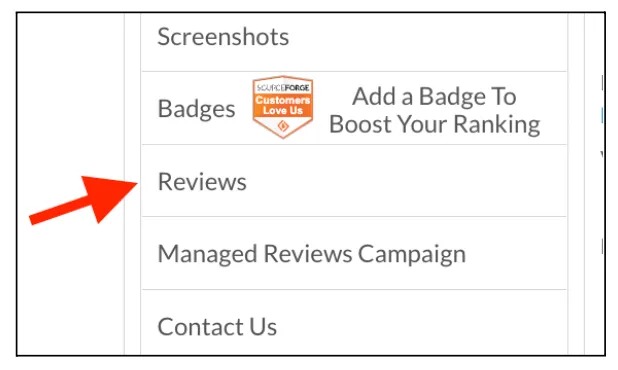
Separately, G2’s published scoring methodology states that reviews solicited through positive-sentiment customer segmentation violate its Community Guidelines and are subject to removal. That is G2’s stated policy. It says nothing about any moderation outcome for the earlier Reddit account.
A 2021 study of employer reviews found that incentives could reduce selection bias in the setting it studied. It measured employer reviews, so it gives no effect for B2B software marketplaces.
Platform disclosures can show whether vendors, the platform, or another channel recruited the customers. Check the invitation method and any incentive labels to see how the reviewer sample was put together.
What a star rating leaves out
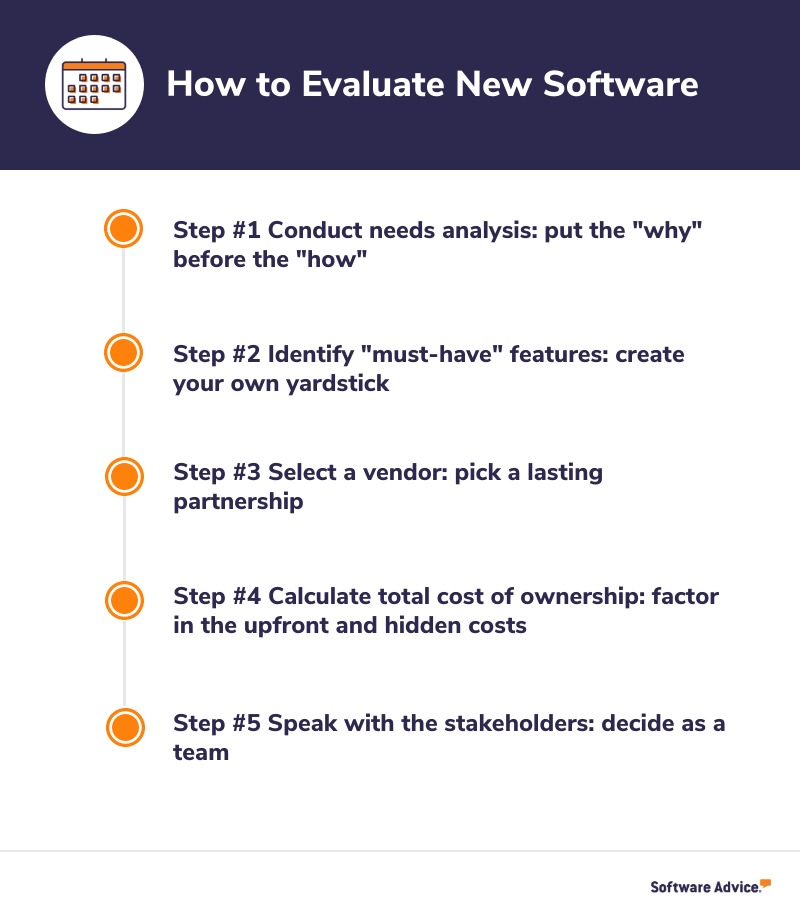
A star average compresses very different experiences into one number. The written reviews show which tasks worked, which failed, and how much those outcomes would matter in your business.
Two products can share the same average and still have different rating distributions. If one has ratings clustered tightly and the other splits between high and low scores, look at which workflows, team sizes, or product editions explain the disagreement among reviewers.
Imagine two reviews of the same tool. One says, “Excellent product. Easy to use.” The other says the team’s required approval workflow could not be completed with the available permissions. The second gives a buyer who needs approvals a specific issue to investigate.
| Complaint type | Potential buyer consequence | Details that make the review useful |
|---|---|---|
| Integration or workflow | A required process can fail | Connected systems, edition, task, observed result |
| Onboarding or usability | Staff can struggle with daily work | User role, setup, task affected |
| Billing or cancellation | Costs or exit conditions can change | Plan, contract, charge or process described |
| Support or reliability | An operational problem can take longer to resolve | Incident, support response, consequences, time period |
A complaint about dashboard appearance may be tolerable. A detailed account of customer data missing from an export matters when you need to migrate records.
For complaints that matter, note the task outcome and any date or edition the reviewer gave. That lets you compare opposing accounts on the same basis.
Review timing and unusual bursts
A marketer described something they noticed while inspecting G2 profiles:
I’ve been auditing a few brand profiles on G2 lately and noticed some wild spikes in reviews over the summer.
The poster has no data on the size or cause of the spikes. A burst of reviews can point to a solicitation campaign or a product event. It does not prove the reviews are fake.
The FTC’s guidance on evaluating online reviews recommends checking detailed feedback, review timing, reviewer history, and other sources. Pay particular attention to reviews of an older edition when features or commercial terms have changed.
What a verified review badge establishes
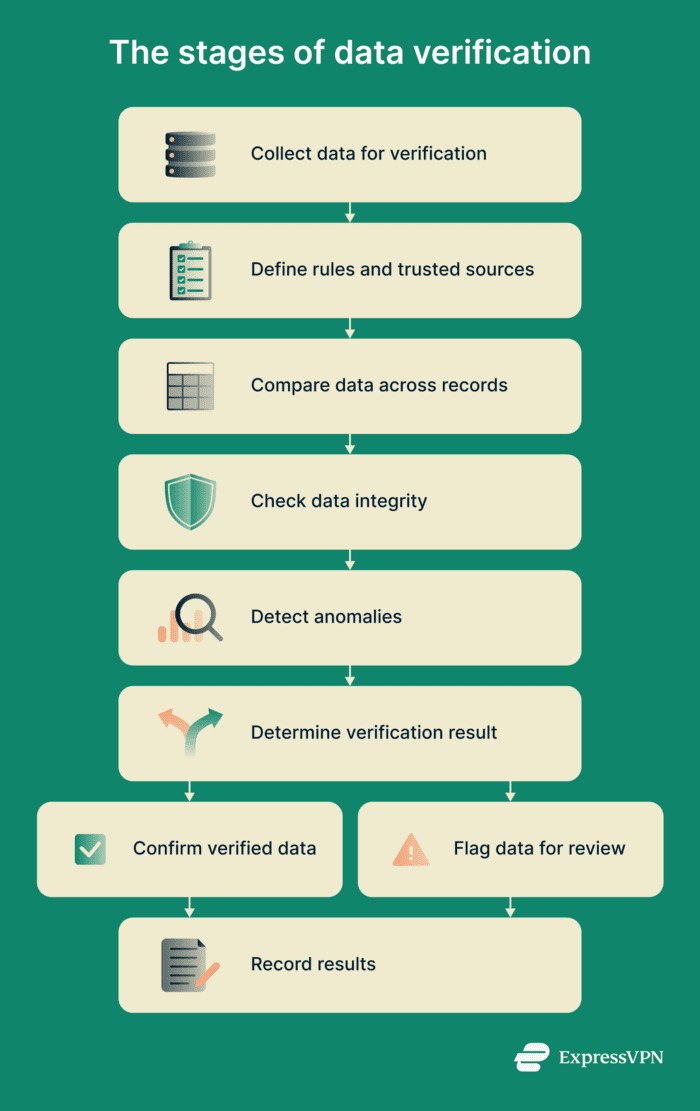
Verification labels describe checks a review platform performed. What each label means depends on the platform’s published process, so read the definition of the label shown beside the review.
G2’s review-authentication documentation describes moderation and several separate signals:
- Validated Reviewer: G2 says the reviewer has been authenticated under its process.
- Current User: G2 describes an extra product-use indication tied to a submitted screenshot.
- Incentivized: The label marks a review submitted in connection with an incentive.
These tell you separate things. Authentication tells you who wrote the review. Product-use evidence supports the reviewer’s claim to use the software. The incentive label tells you how the review was collected. None of them tells you whether a feature claim is true. For that, read the details of the review itself.
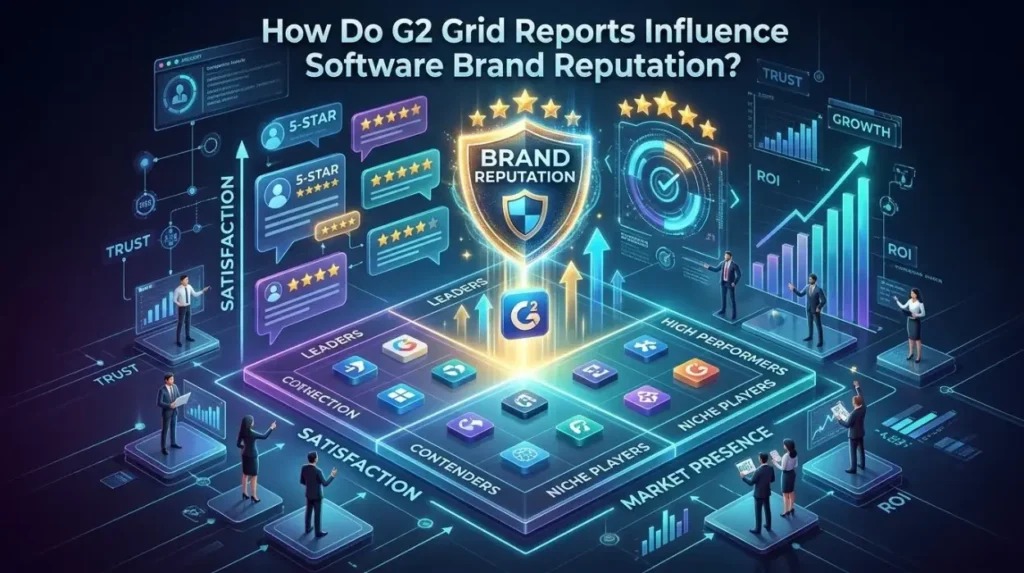
Capterra and TrustRadius also publish information about verification, moderation, and review recruitment. Read their terminology and collection procedures through their own policies.
Moderation is a separate matter. Platforms may reject submissions under their published criteria, and an outside buyer may never see the reason for a given decision. A badge or an acceptance is therefore a signal about the review’s source process. Buyer fit still depends on the reviewer’s actual situation.
Sponsorship, review collection, and rankings are different mechanisms

A software marketplace can mix commercial placements and review-based evaluations on the same page. How a product earned its visibility tells you how to read it.
Capterra, for example, publishes different research and ranking methodologies. Its Shortlist methodology describes ratings and popularity as dimensions. Its Best product-list documentation says sponsorship does not determine product selection, although it may affect ordering. Those statements cover those Capterra methodologies only.
Review invitations are a separate process. One SaaS contributor reported running promotions to solicit reviews:
We dont pay G2. Ran a few promotions to get reviews on G2, and that worked ok
The contributor also reported no observed improvement in algorithmic ranking. That is one vendor’s experience, with no independent ranking records behind it, and it shows that review outreach and ranking outcomes are separate matters.
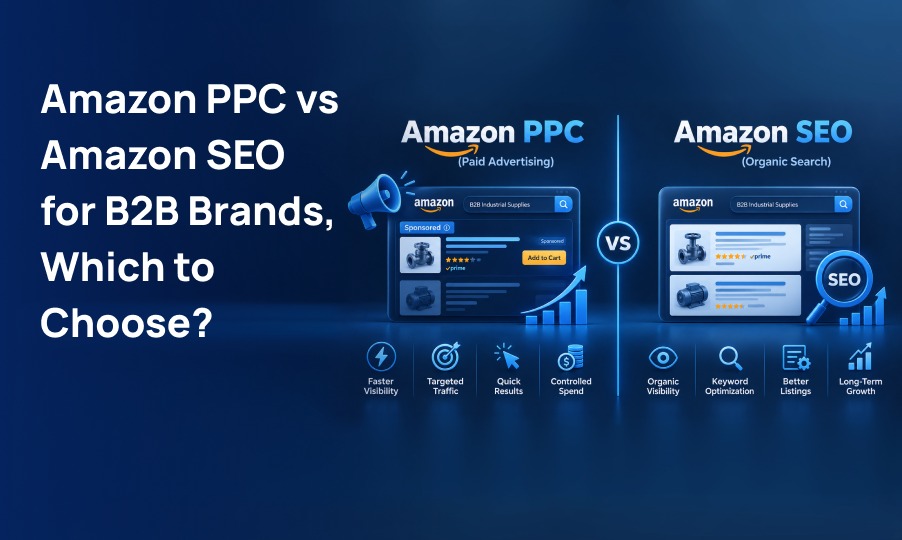
On a marketplace page, find the advertising label and the published rule for the ranking or list in front of you. A sponsored card, an algorithmically ranked result, and a published customer rating each tell you something about the same product.
Verify product claims against the edition you would buy
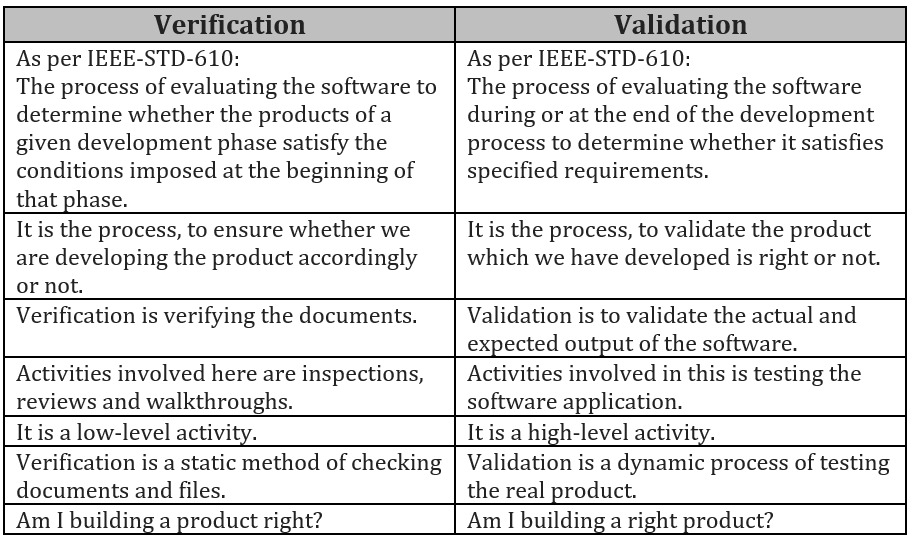
A review describes what happened under the reviewer’s conditions. You need to know whether the same limitation applies to the account and configuration you are considering.
Suppose a review says a CRM’s calendar synchronization failed. Several explanations could fit the account: an edition restriction, an integration setup issue, a configuration problem, or a historical limitation that has since changed.
Next, check the vendor’s published feature and plan documentation. Look for the capability, edition, permissions, prerequisites, supported integration, and release information.
- Documented for the intended edition: Published material describes the capability or restriction under conditions that match your purchase.
- Documented differently: The vendor describes a different capability, condition, or product state from the review.
- Unresolved from documentation: Relevant conditions are missing, ambiguous, or inconsistent.
A feature listed for an enterprise plan may be unavailable on an entry-level account.
Turn the decisive review claim into a product test
When a review raises a deal-breaker and the documentation does not settle it, turn the claim into a test of the required workflow. Run the task under the edition and permissions you would use, with an observable expected result.
A Hacker News contributor described using software-review sites to find options, then evaluating the tools independently:
I use them mainly for discovery, and do my own evaluation on the tools, as the crowdsourced reviews are mostly crap.
The comment is one person’s blunt opinion. Its useful idea is that a product’s place on a shortlist and its performance on a necessary task need separate evidence.
Review-to-verification worksheet
The claims below are invented to show the method. They are not reports about named software products. Each row also tracks a date and edition (not supplied in any of the three) and a status (unresolved in all three).
| Review claim | Reviewer/workflow fit | Buyer consequence | Primary source/check | Next step |
|---|---|---|---|---|
| Contact import created duplicates | Import task relevant; reviewer setup unknown | Unreliable customer records | Import representative records in the intended edition | Inspect duplicates and matching fields |
| Ordinary users lacked required permissions | Staff role relevant; reviewer role unclear | Staff cannot complete assigned work | Run the required task as an ordinary user | Check permissions and task outcome |
| Export omitted needed information | Migration workflow relevant; reviewer plan unknown | Loss of needed migration fields | Export a representative sample | Compare exported fields with requirements |
A test passes when the task produces its expected result under the account, edition, configuration, and workflow conditions you recorded. It fails when the result misses that standard. If the result is unresolved, a dependency or question remains open.
When public trials are unavailable, a vendor-led demonstration of the same task or suitable documentary evidence can answer the question. A successful demonstration supports the tested workflow under the conditions observed.
A 4.8-star CRM that might still fail the job
Picture a three-person service company choosing a CRM advertised with a 4.8-star average. The company, rating, and reviews are made up, and no real CRM is being assessed.
Several enthusiastic reviews praise elaborate dashboards, extensive reporting, and customization. They come from managers at much larger organizations. The company’s essential task is simpler: enter a new lead, schedule a follow-up reminder, and see that reminder in its calendar.
A negative reviewer reports that calendar synchronization failed, but the review leaves the edition and configuration unclear. That complaint bears directly on the small company’s workflow. The glowing dashboard reviews answer a different question.
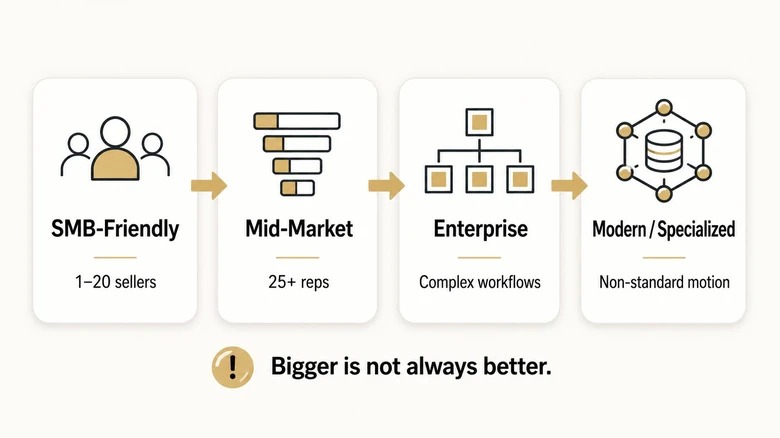
Before deciding how much weight these accounts deserve, the company separates individual reviews from any sponsored placement, checks the reviewers’ roles and dates, and looks for disclosed incentives or verification labels. Here, the invitation method, review dates, badge details, and commercial placement are all unknown. To evaluate reviewers, ratings, and methodology, see why we compare software by use case.
To settle the calendar claim, the company reads the edition-specific documentation and runs the reminder test as an ordinary user, or asks for a demonstration of it. The status stays unresolved until then, and a miss would mean missed follow-ups.
If the reminder appears as expected, the requirement passes that test. If it does not, and the limitation cannot be resolved within the company’s constraints, the CRM has failed a must-have buying criterion. The 4.8-star average is the same in both cases.
Make the decision with evidence that fits your business
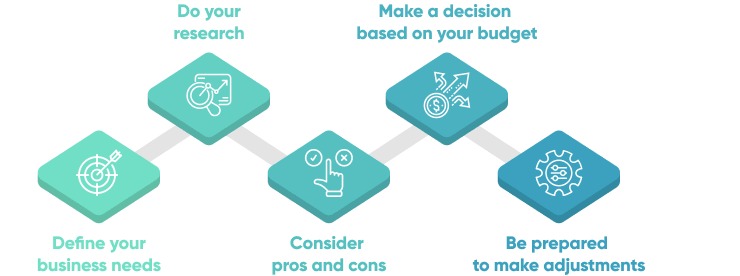
How much an issue matters depends on the work it affects. Trouble customizing an optional dashboard costs a business less than missed client follow-ups or missing customer records during an export.
If a claim would change the purchase, turn it into a question the vendor or trial can answer. For a broader shortlist, the software buying guide explains how to narrow the software category first.
Speak Your Mind