Two POS quotes with different payment fees cannot be compared by their subscription prices. Model the store’s card mix, equipment, essential features and contractual obligations across 12 and 36 months. A higher monthly fee can still lower the total; an omitted processing or exit charge makes the quoted comparison incomplete.
What Do You Pay for a POS System?
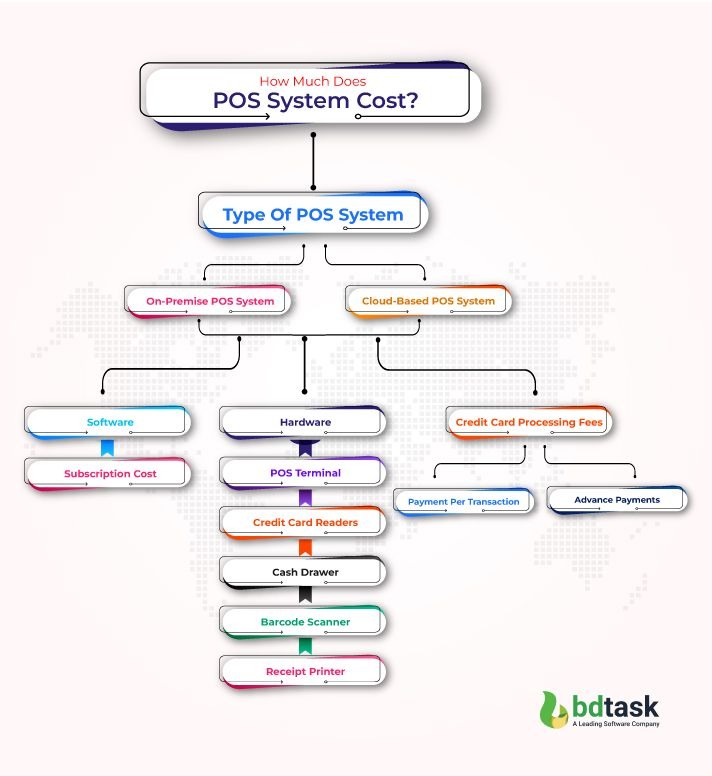
The software line in a POS quote can be $0 while card processing, equipment and required features still create monthly costs. A fair comparison includes the recurring charges and the contractual ones, not just the register subscription.
A weekend market stall needs a different setup from a boutique that handles hundreds of products, returns, employee permissions, and stock across two locations. A card reader may be enough for occasional sales. The boutique may need a register, inventory functions, and a more capable plan. To check how a system handles stock reservations and returns, see how to test stock reservations, returns and unavailable-item paths.
| Cost category | When it arises | What changes the amount | Where it appears |
|---|---|---|---|
| Upfront setup | Purchase and installation | Readers, registers, setup, import, training | Equipment and implementation quote |
| Fixed recurring | Monthly or annually | Software tier, location licenses, required features, support | Subscription order |
| Per-transaction | As payments are processed | Card volume, transaction count, channel, disputes | Processor fee schedule |
| If you cancel or change | When a contract trigger occurs | Replacement, renewal, cancellation, lease buyout | Relevant signed agreement |
A free software tier still leaves processing fees and equipment to price separately. Start by listing what your store must do: accept tap payments, look up products, process refunds, print receipts, track stock, or run several registers. That tells you which offers you can compare.
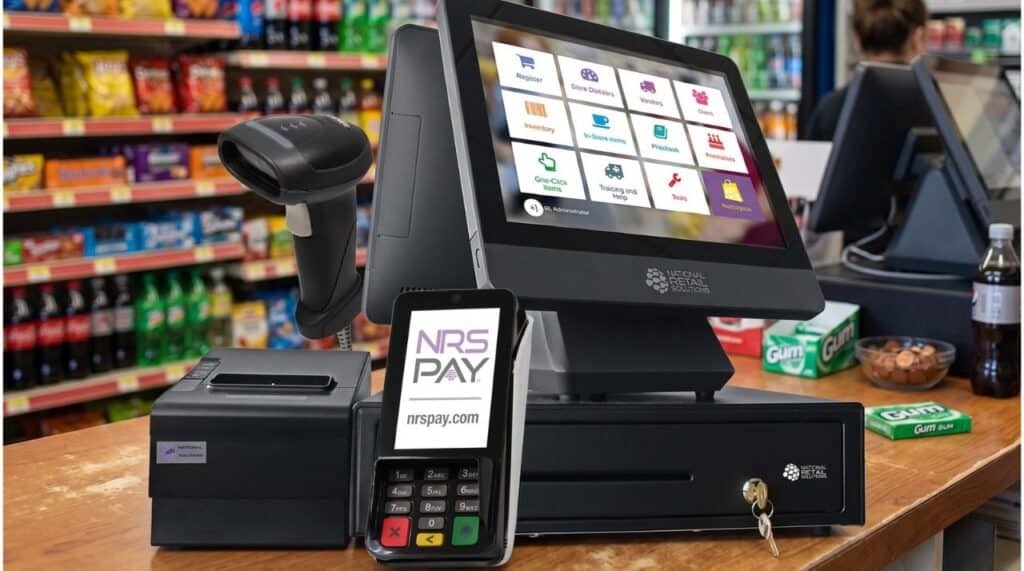
A would-be farmer’s-market seller asked about this on Reddit:
Hey everyone, my wife wants to get a stand at our farmer’s market, which means I’m going to have to figure out how to take credit cards (in such a way that it is easy for her to use without “Baaaaby I need help” calls every time someone wants to buy something from her.) Now, I know there is Square, but for other truly small businesses who are doing less than 10k a gross sales each month, whose the least expensive?
*EDIT* I mean thanks to everyone who is offering to “help” me get some kind of credit card processing setup in my DMs, but I don’t need assistance in getting one, I need advice regarding user experience and fees here.
He wants low fees and a checkout his wife can run alone.
How Much Do POS Payment Processing Fees Add Up To?
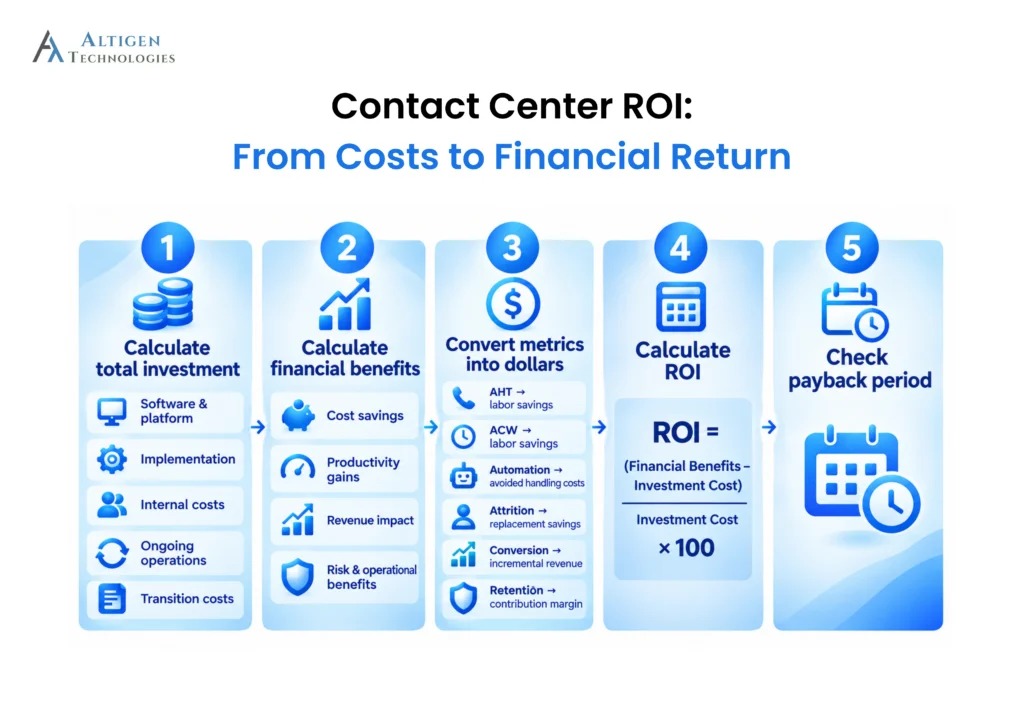
For an eligible flat-rate in-person card transaction, the fee has two parts: a percentage of card sales and a fixed amount per transaction.
Monthly processing cost = card sales × percentage rate + eligible transactions × fixed transaction fee.
Take a hypothetical one-location retailer with $15,000 in eligible in-person card sales across 600 transactions. That is an average ticket of $25. The published US Square Free example uses 2.6% plus 15¢ per eligible transaction.
- Percentage component: $15,000 × 0.026 = $390.
- Fixed component: 600 × $0.15 = $90.
- Estimated monthly processing: $390 + $90 = $480.
The Square POS pricing page supplies the rate used here. At the same monthly card volume, a business with more, smaller purchases pays more in fixed per-transaction charges under this formula.
What the effective processing rate means
The effective rate is your actual processing charges for a period divided by your card sales for the same period. Your statement also lists charges for keyed or online orders, refunds, and disputes, along with other contract-specific services. Count only the fees that match the sales you’re measuring.
To find your own rate, pull one month’s statement. Note card sales, the number of eligible transactions, the rate components, and total processor charges. Flag any charge that doesn’t match, by payment channel and billing period. You’ll use these numbers when you compare quotes.
Shopify’s third-party transaction fees don’t apply to POS orders. If you sell both online and in person, price the online gateway charges separately.
When Does the POS Subscription Get More Expensive?
The billing unit decides whether a quote covers one store, several stores, a register, or an account. Square’s published US plans price software by location. Shopify’s US POS cost guide lists POS Pro at $89 per month per retail location, on top of the required base Shopify plan, and the final charge follows the offer and billing commitment. Inventory, loyalty, employee permissions, integrations, and support can be included at one tier and charged separately at another. Before you compare subscriptions, match the billable units and required features to each written proposal.
Is POS Hardware a Purchase or a Long-Term Commitment?
Buying a POS terminal outright, renting it, and financing it over time create different obligations when you cancel. The upfront payment is only part of the decision. Ownership, update support, and reuse with another system decide what happens when you change providers.
- Outright purchase: You buy the equipment under a sales agreement. The device may still need compatible POS software and a supported payment connection.
- Lease or device subscription: The agreement sets how you use the equipment, when you return it, the buyout terms, and the payments due during the term.
- Financing or bundled collections: You spread the payments out. Ownership and what you still owe depend on the finance and service terms.
A craft beer and wine bottle-shop owner described a proposed change after buying Clover equipment:
I am the owner of a small craft beer and wine bottle shop.
This week I received an email from a Clover sales rep (a rep whom I’ve never worked with) stating that my current hardware (register and handheld) will no longer be receiving software updates and that they are suggesting I move to their subscription model (@$150/month). I bought my Clover hardware outright a little over 2 years ago for 3k and $79/month in platform fees. With the proposed subscription I would get my hardware supplied by Clover BUT have a 48 month “lease”.
Really not liking this direction and I’m considering other options, i.e., Square
My post is for two reasons – the first is to share what is happening for me as a Clover POS and SMB owner and some changes in the POS world (sharing the knowledge) and secondly to get any feedback folks have about Square (or any other POSs you like). Thanks in advance.
For any device you consider, its supported software, service life, and compatibility with a replacement processor affect what it costs to keep or replace.
Toast’s Easy Pay restaurant offering shows another arrangement: a US 180-day commercial lease with collections tied to card sales and a possible ACH payment for a remaining balance.
Find out whether you will own, return, or buy out each device at the end of the arrangement, and which warranty, update, and compatibility terms the equipment agreement states.
What Could You Owe If You Cancel or Switch?
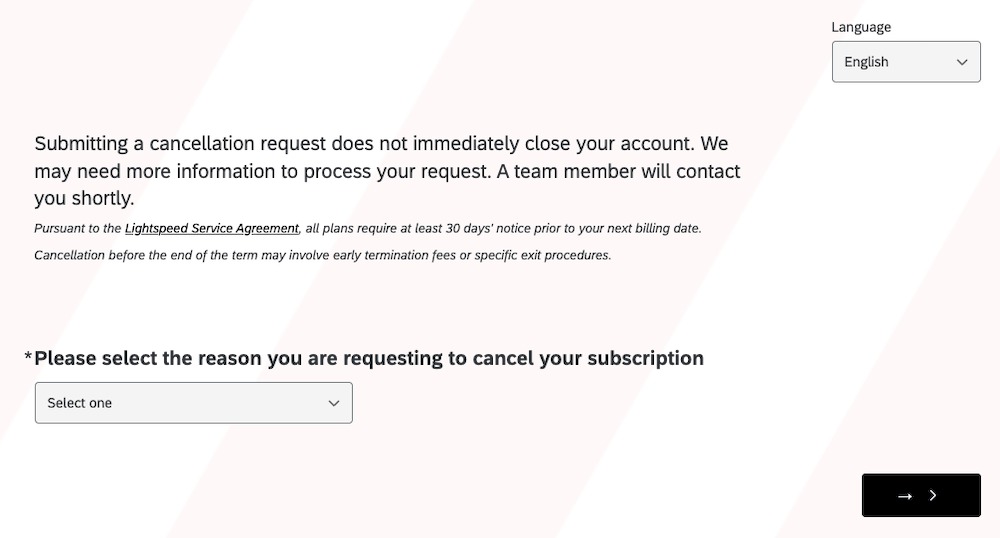
A POS software subscription, a merchant-processing agreement, and an equipment lease can each create separate payment obligations. Canceling the software doesn’t end your processing agreement or equipment lease.
| Agreement | What it governs | Cost or obligation at exit |
|---|---|---|
| POS software | Plan, locations, features, access, data | Renewal, remaining subscription term, export provisions |
| Merchant processing | Card acceptance and settlement | Termination provisions, outstanding processing charges |
| Equipment lease or financing | Devices, payment schedule, ownership | Remaining installments, buyout, return requirements |
One small-business owner reported discovering a large equipment commitment after planning to cancel a Clover-related arrangement:
I consider myself pretty savvy around business do when I launched my 2nd business I wanted to try one of the clover POS systems. It looked attracted at first with low fees etc. But Clover does not explain the contract you enter. Once you sign – you are locked in a contract good at least 2 years. If you try to cancel your subscription, they force you to pay thousands of dollars to buy out the lease. Even if you go out of business – they don’t care.
If you’re a start up or small business and unsure about the longevity of your business. Stay away. I could see this being a great asset for established businesses but not startups.
Clover’s direct pricing FAQ describes noncancelable, generally nonrefundable equipment subscriptions, with a possible buyout or upgrade. For that direct offering, Clover requires at least 30 days’ notice before the subscription ends to avoid continued month-to-month equipment rental, and you can buy or return the equipment at term end. Agreements sold through resellers or independent processors can differ.
The Federal Trade Commission’s warning about processing deals describes deceptive sales practices involving processing services and equipment leases. If you sign an equipment lease, you can remain liable for payments after your business closes or stops paying, depending on the agreement. Protect yourself by getting in writing which company holds each agreement and how its renewal, notice, termination, and buyout terms work.
How to Compare Two POS Quotes Over 12 and 36 Months
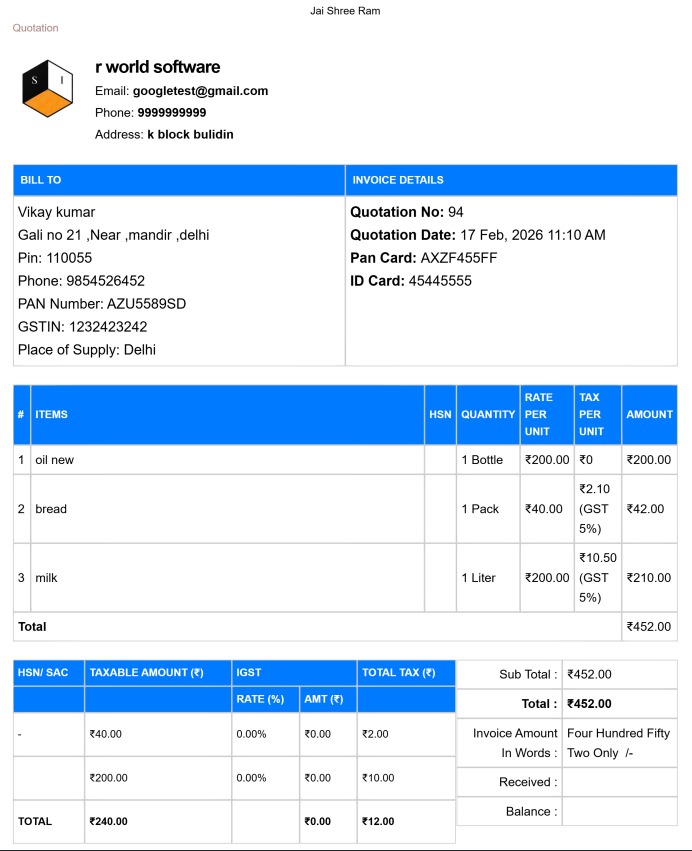
Price every offer on the same basis: identical locations, required checkout functions, card volume, transaction count, and operating period. Leave a missing charge marked “Get from quote” until the proposal supplies it.
| Cost input | Offer A | Offer B |
|---|---|---|
| In-person card sales and transactions per month | Same store assumptions | Same store assumptions |
| Other payment channels and applicable rates | Get from quote | Get from quote |
| Software tier, billable locations, required add-ons | Get from quote | Get from quote |
| Equipment purchase and installation | Get from quote | Get from quote |
| Lease or financing schedule | Get from quote | Get from quote |
| Other ongoing and annual fees | Get from quote | Get from quote |
| Term, renewal, credits and exit cost if you cancel | Get from quote | Get from quote |
| Total over 12 months | Add up | Add up |
| Total over 36 months | Add up | Add up |
An incomplete processing schedule or equipment agreement rules out an all-in total, even when you know the monthly software price. Count a feature you need in every offer, whether the plan includes it or bills it separately. Once both offers cover equivalent functions and obligations, compare the totals.
Calculate the appropriate period, including contract events
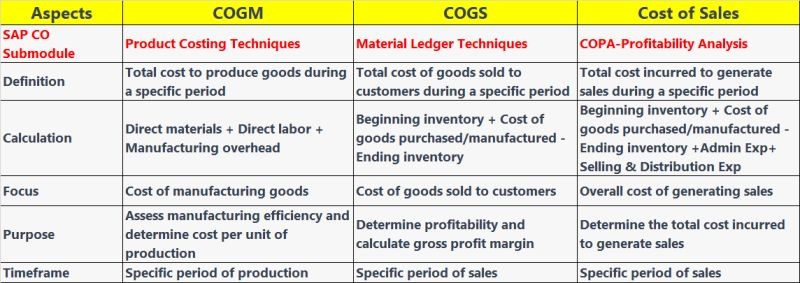
For a 12-month scenario, add the initial equipment and setup costs, the charges for each of the 12 months, and any annual or other payments due in that period. Subtract documented credits or refunds. Use the same logic for 36 months, and allow for changes such as a promotion ending or a device replacement when the terms spell them out.
Period total = upfront charges + recurring charges within the period + other applicable charges + triggered exit obligations − verified credits or refunds.
Operating through month 12 and terminating on month 12 are different scenarios. Count a cancellation or buyout amount only if your scenario triggers it. Count an outright device purchase once. For a financed device, count the down payment and the scheduled installments, and don’t add the financed principal again. To keep your payment mix and contract assumptions consistent across quotes, see how to use the same payment mix and contract assumptions.
Worked subtotal: Take the $15,000 store. Square Free processing comes to an estimated $480 a month. That is $5,760 over 12 months or $17,280 over 36 months, if sales, transactions, and rates stay constant. Square Plus costs $514 a month with its $49 software subscription: $6,168 over 12 months and $18,504 over 36 months. Plus is $408 higher over 12 months and $1,224 higher over 36 months. These figures cover only estimated eligible in-person processing and the Free or Plus subscription. Equipment, extra tools, taxes, contract events, and other processing charges are not priced.
How Store Size Changes POS Costs: Three Examples
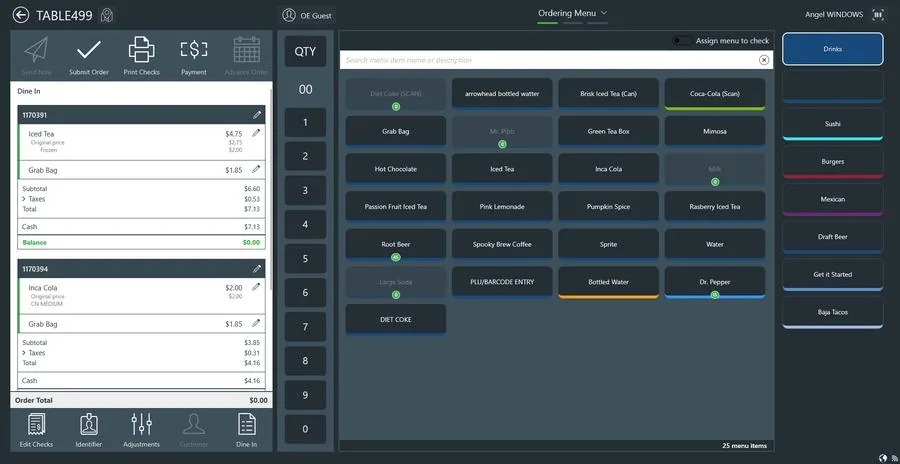
A plan with a lower processing percentage can end up cheaper at larger card volumes, even with a higher monthly subscription. In the Square US example, Free has a $0 software charge and a 2.6% card-present rate, Plus costs $49 per month per location at 2.5%, and Premium costs $149 at 2.4%. Each rate also includes 15¢ per eligible card-present transaction.
The volumes and average tickets below are examples. Each result is a one-location monthly subtotal for software and the stated in-person processing charges.
| Store scenario | Card sales/month | Average ticket | Transactions | Free/month | Plus/month | Premium/month |
|---|---|---|---|---|---|---|
| Pop-up stall | $3,000 | $15 | 200 | $108 | $154 | $251 |
| Independent store | $15,000 | $25 | 600 | $480 | $514 | $599 |
| Higher-volume location | $60,000 | $30 | 2,000 | $1,860 | $1,849 | $1,889 |
At $60,000 in monthly eligible card sales, the Plus subtotal is $11 lower than Free. The same exclusions apply as in the worked subtotal, along with refunds, disputes, other payment rates, and the value of different features.
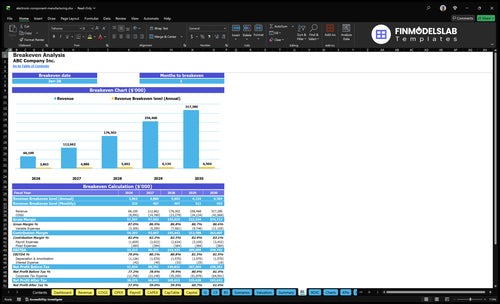
Which subscription wins at higher sales volumes?
When the fixed 15¢ charge is the same across plans, divide the difference in monthly subscription by the drop in processing percentage. Here, Free and Plus cross at $49,000 in monthly eligible card sales, Free and Premium at $74,500, and Plus and Premium at $100,000.
So the cheapest plan is Free below $49,000, Plus from $49,000 to $100,000, and Premium above $100,000. The crossing points are ties. At $74,500, Plus is still cheaper than both Free and Premium, even though those two come out equal.
Square invites businesses processing more than $250,000 annually to discuss eligibility for custom pricing. All three crossover volumes annualize above that threshold, so merchant-specific rates may move these points. Run the same rate-difference calculation with your documented eligible sales and transaction mix. If percentage rates, fixed fees, required add-ons, or included features differ, the decision changes.
What to Check in a POS Proposal Before You Sign
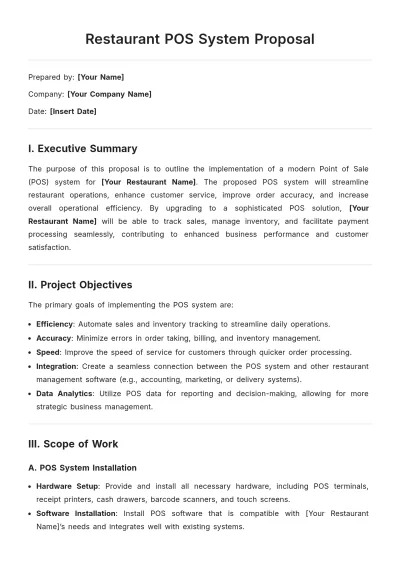
A complete quote gives you written terms that match the checkout functions and ongoing services you’re buying. Along with the worksheet, collect these documents:
- Payment documents: The itemized processing fee schedule and merchant services agreement, with terms for each payment channel you use.
- Software and equipment orders: The selected plan, required features, device sale or lease paperwork, and any paid integrations or service commitments.
- Operating terms: Settlement and support arrangements, data import and export procedures, and the policy on rate or plan changes.
Your first statement after launch may show a different payment mix, a charged service, or an account setting the quote didn’t anticipate. Use the processing method above to find the difference. For food-service operations, assess restaurant POS service-model requirements alongside processing fees.
Card security is your responsibility too. The PCI Security Standards Council explains that outsourcing card processing doesn’t automatically remove all your obligations. Which validation duties apply depends on your payment environment and acquirer. Not every POS plan carries a universal, mandatory PCI certification charge.
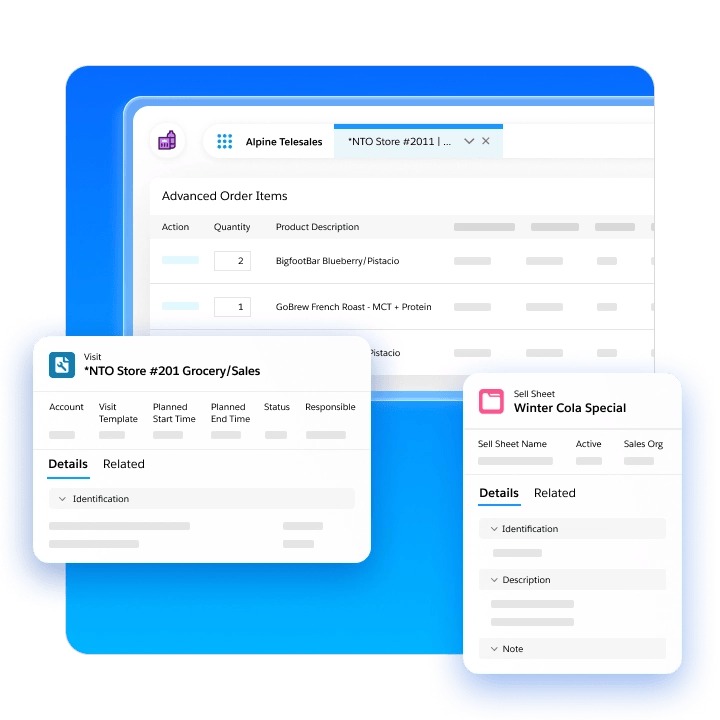
A small card-taking business and a multi-location retailer will justify different POS costs. The quote should be explained by the payment mix and stock requirements rather than by the subscription headline.
Speak Your Mind